
Sowing Flowers Made Easy – Your Step-by-Step Guide to a Flower Meadow
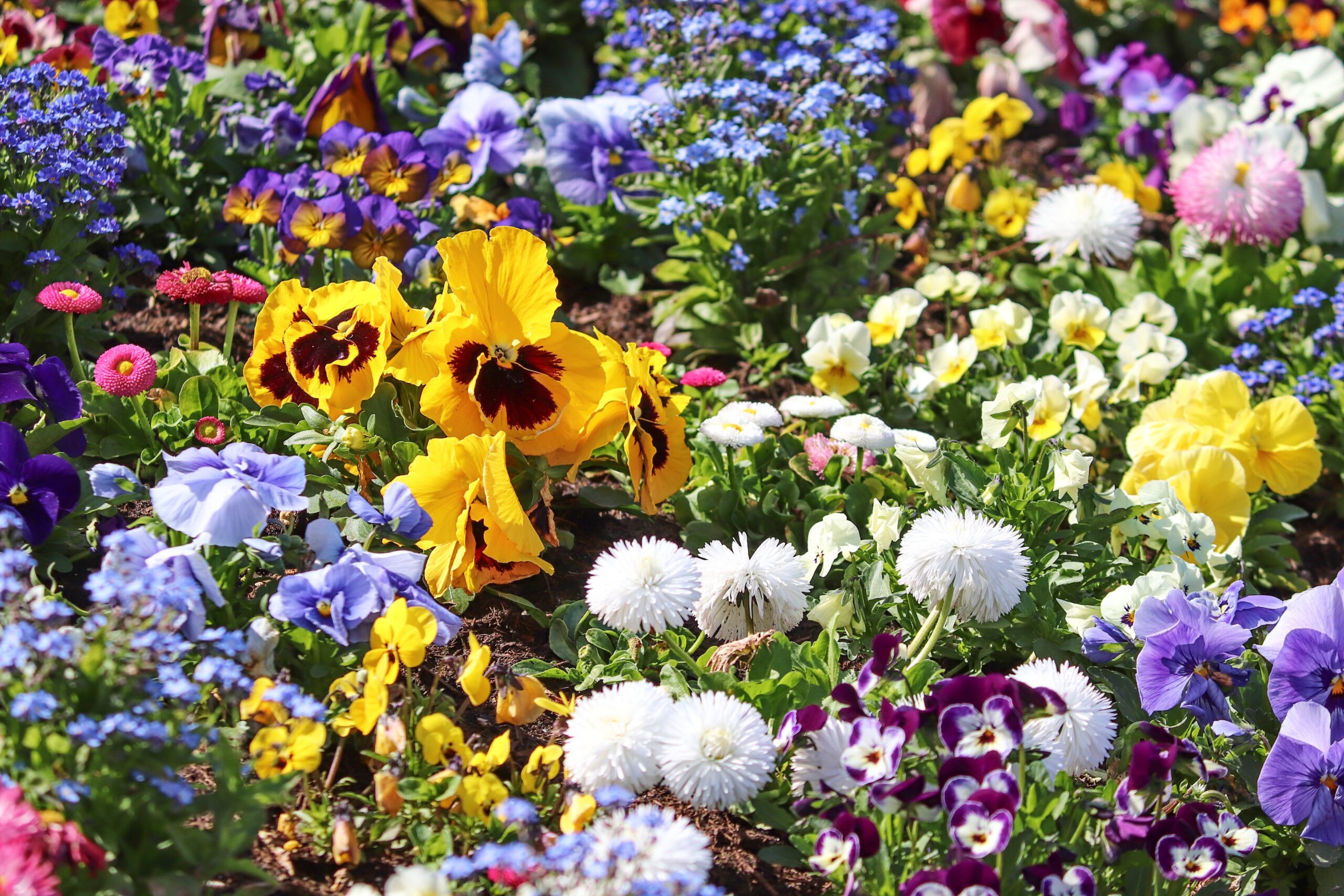
Flower meadows not only delight us with their vibrant colors, but also contribute significantly to ecological balance. They create essential habitats for wild bees, butterflies, and many other insects that are becoming increasingly rare in our gardens and urban green spaces.
With the right products and a basic understanding of botany, you can easily create such a meadow yourself. At Seedball Factory, we want to inspire people to embrace natural diversity—with ecologically meaningful, beautifully packaged products and promotional gifts that require no prior gardening knowledge. Turn a plain patch of lawn into a botanical oasis!
Flower Meadows Are More Than Just Pretty Decoration!
An insect-friendly flower meadow is far more than just an attractive eye-catcher. It actively promotes biodiversity, supports natural cycles, and can make a genuine difference in species richness, even on small plots of land. Native flowering plants that thrive even in nutrient-poor soils are particularly beneficial for wild bees, bumblebees, and butterflies.
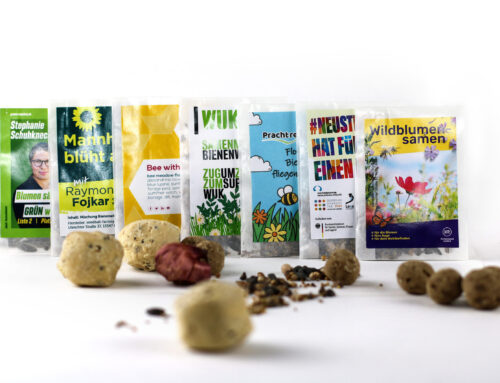
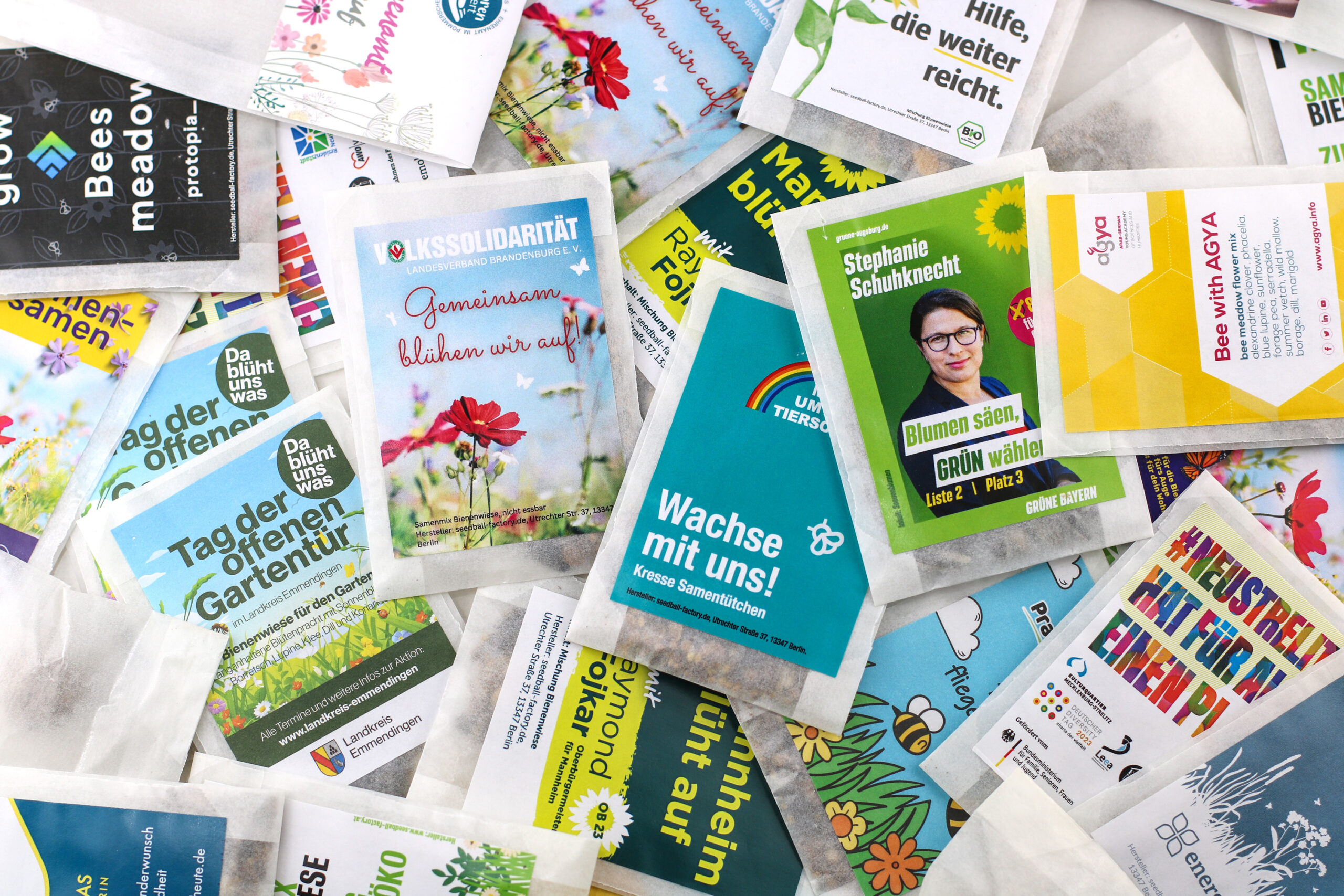
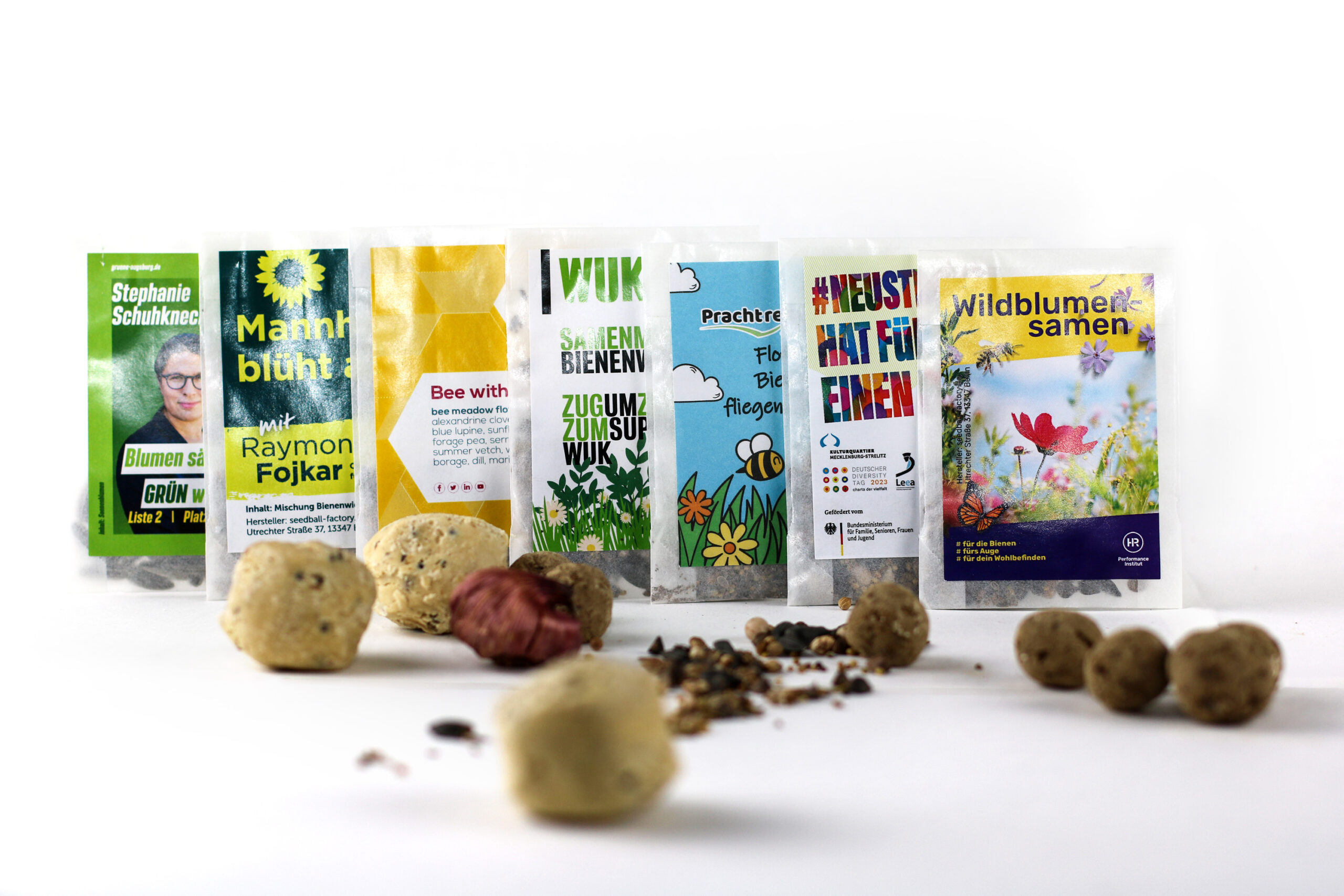
With every blooming area that isn’t mown weekly or artificially fertilized, you contribute to ecological stability—while simultaneously creating a place of relaxation and joy for yourself and your loved ones. To succeed, rely on native seeds and well-thought-out sowing methods. With our seedballs, seed capsules, seed packets, and flower bulb sets, getting started is completely effortless.
The Best Time to Sow Your Flower Meadow
The ideal timing for establishing a flower meadow depends on the specific product and regional climate. Sowing should ideally take place between March and May, or in late summer between August and September. During both windows, the soil retains adequate moisture, temperatures are moderate, and young plants have plenty of time to develop strong roots. Open, sunny locations with minimal competition from grasses or fast-growing weeds are best suited.
Theoretically, our seedballs can be scattered year-round. They will simply rest over the winter and begin germinating naturally in spring. Regular watering isn’t necessary. The only crucial requirement is that the ground is frost-free when the spheres are cast.
Choosing the Location: Sun, Soil, and Environment
A beautiful flower meadow begins with selecting the right spot. Many native wildflower species prefer nutrient-poor, dry soils—precisely what many people view as a drawback in their gardens. If your land is sparse or lean, you actually have the perfect starting conditions! Ensure the area is sunny to semi-shaded and preferably not permanently damp, as most flowering plants dislike waterlogging.
If you have rich, nutrient-dense garden soil, scarifying the area or lightly removing the top layer prior to sowing is well worth the effort. This creates conditions where wildflowers can better hold their ground against aggressive grasses.
Naturally, sowing doesn’t have to be limited to your own garden. Provided local regulations allow, seedballs are also ideal for guerrilla gardening and can be scattered across wasteland and sparse areas in industrial zones.
Soil Preparation: Less Is Often More
Unlike classic vegetable beds, a location for a flower meadow doesn’t need to be dug over or heavily cultivated. Simply roughening the top layer of soil with a rake is plenty. Remove coarse weed roots and moss, loosen the topsoil slightly—that’s all it takes. Please avoid fresh compost or fertilizer: most native flowers thrive on lean soil.
When using seedballs or seed capsules, traditional soil preparation is often completely unnecessary. The spheres or capsules are simply placed or lightly pressed onto the prepared surface. Our products are designed to protect the seeds from predators and germinate independently as soon as sufficient moisture is present.
Sowing: How to Do It Right
When sowing, even distribution and patience are key. Open our seed packets or capsules only immediately before application to protect the seeds from humidity. Avoid sowing too densely; otherwise, plants will compete for light and nutrients later on, inhibiting their development. A handful of seeds is often enough for several square meters.
For seedballs and seed capsules, simply place or throw them onto the ground at a slight distance from one another. They do not need to be pressed in or covered with soil. The first heavy rain will slowly dissolve the outer layer—and germination begins.
If you choose to use flower bulbs, they should be planted in autumn (e.g., tulips, crocuses) or early spring (e.g., gladioli, dahlias), depending on the species. Always pay attention to planting depth, which is usually indicated on the packaging and varies according to bulb size.
Care in the First Few Weeks
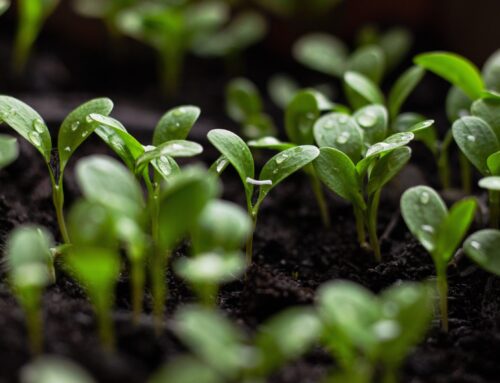
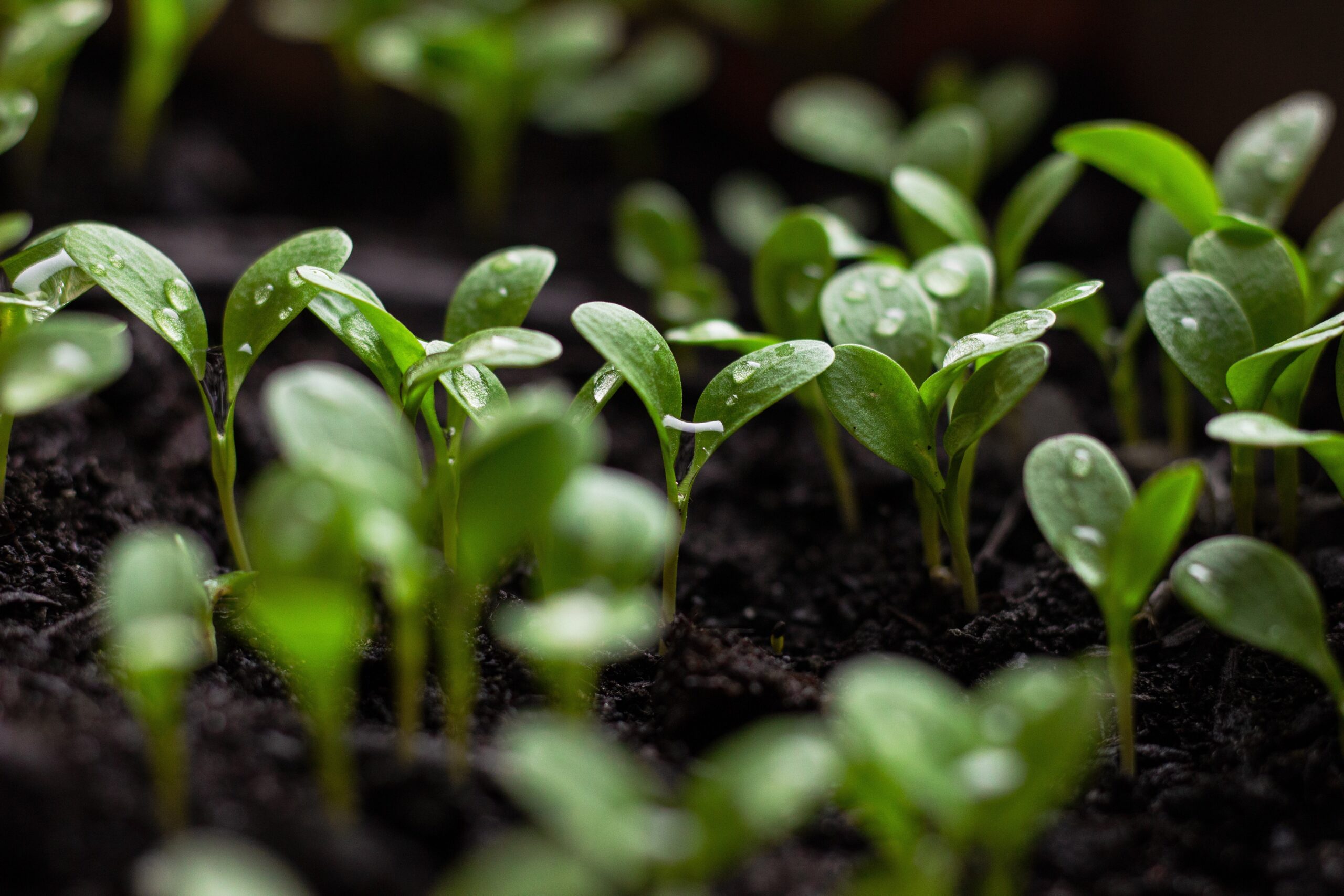
The germination period for seed mixtures depends on temperature, light, and moisture—typically, the first green shoots appear after 10 to 20 days. During this phase, regular watering is crucial. Especially during longer dry spells, ensure the soil doesn’t dry out completely.
Avoid stepping on the area during the initial weeks so as not to damage delicate seedlings. Once established, the young plants regulate their growth naturally. Cutting or mowing the area once a year—ideally after the main blooming period in late summer—is sufficient. Leave the cuttings on the ground for a few days to allow seeds to drop and re-sow naturally.
Why the Effort Is Worth It
Once established, a flower meadow requires virtually no maintenance, often preserves itself, and grows more beautiful year after year. This means you can enjoy it effortlessly and without a heavy upkeep routine. At the same time, you give back to nature by creating habitat, food, and shelter for species that struggle in urban areas. Even a tiny patch of meadow can make a big difference.
You don’t need a green thumb or specialized equipment to start sowing. All you need is a little space, a little time, and the right products. At Seedball Factory, you’ll find natural seeds in smart formats, developed for fast, uncomplicated floral beauty.